It may or may not surprise you to know that there are a lot of plants out there that are really toxic to your dog. The list I am providing will not cover all of them… In this list I’m pointing out the few common ones that most people are concerned about. If you are ever concerned about something your pet has eaten it is always better to be safe then sorry and contact your vet.
The ASPCA and your vet will have tons of information for you about these plants and more if you continue to have concerns.
The following list is in alphabetical order to help with a quicker reference…
A
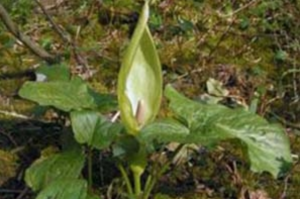
Plant Name: Adam -and – Eve
Plants Toxic Principles: Insoluble calcium oxalates
Signs of Reaction: If your dog has pain and swelling in the mouth, tongue and lips, excessive drooling, vomiting, difficulty swallowing.
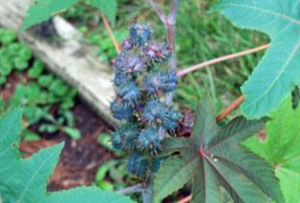
Plant Name: African Wonder Tree
Plants Toxic Principles: High toxicity
Signs of Reaction: If you believe your pet has injected this plant contact your vet or poison control immediately, this plant can cause death.
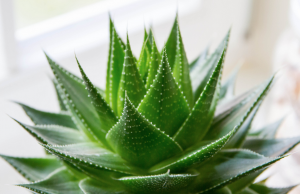
Plant Name: Aloe Vera
Plants Toxic Principles: Saponins
Signs of Reaction: lethargy, diarrhea, the gel however is considered edible, that is something you would have to decide if you still were ok with.
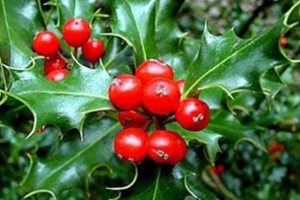
Plant Name: American Holly
Plants Toxic Principles: Sapanins
Signs of Reaction: Vomiting, diarrhea and depression
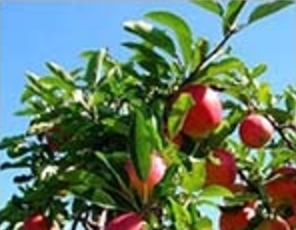
Plant Name: Apple
Plants Toxic Principles: Cyanogenic slycosidos
Signs of Reaction: When dogs ingest stems, leaves, and seed’s. Cyanide toxins increase during the wilting process. Reactions; diluted pupils, difficulty breathing, panting, shock, brick red mucous membrane.
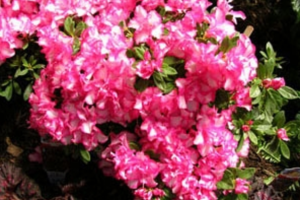
Plant Name: Azalea
Plants Toxic Principles: Grayantoxin
Signs of Reaction: Vomiting, weakness, cardiac failure, diarrhea
B
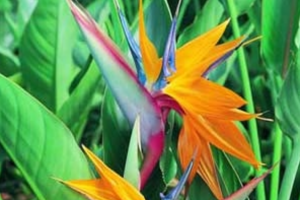
Plant Name: Bird of Paradise
Plants Toxic Principles: GI irritant
Signs of Reaction: Caused mostly from the fruit and seed; mild nausea, vomiting, drowsiness. Another species of plant has the same name and is more toxic
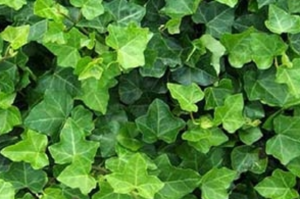
Plant Name: Branching Ivy
Plants Toxic Principles: Triterpenied saponins
Signs of Reaction: For this plant the foliage is more toxic then the berries; abdominal pain, hyper-salvation, diarrhea
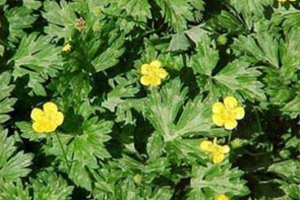
Plant Name: Buttercup
Plants Toxic Principles: Irritant
Signs of Reaction: Vomiting, diarrhea, depression, anorexia, hyper- salvation, oral ulcers, wobbling gate

Plant Name: Butterfly Iris
Plants Toxic Principles: Pantacylic terpenoids
Signs of Reaction: Salvation, vomiting, drooling, lethargy, diarrhea
C
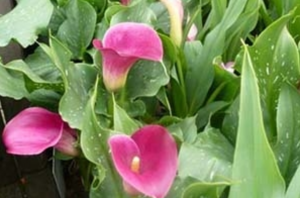
Plant Name: Calla lilly
Plants Toxic Principles: Insoluble calcium isolates
Signs of Reaction: Intense oral burning and irritation to mouth tongue and lips, excessive drooling, vomiting, difficulty swallowing
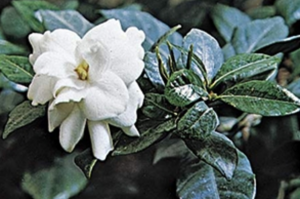
Plant Name: Cape Jasmine
Plants Toxic Principles: Gardenoside
Signs of Reaction: Mild vomiting / and or diarrhea, hives

Plant Name: Carnation
Plants Toxic Principles: Unknown irritant
Signs of Reaction: Mild gastrointestinal signs,mild dermatitis

Plant Name: Camomile
Plants Toxic Principles: Volatile oil; bisabolol, anthemic acid, tannic acid
Signs of Reaction: Contact dermatitis, vomiting, diarrhea, anorexia, allergic reactions
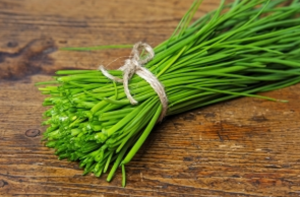
Plant Name: Chives
Plants Toxic Principles: N- propyl disulphide
Signs of Reaction: Vomiting, break down of red blood cells, blood in the urine,weakness, high heart rate, panting
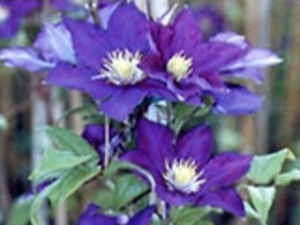
Plant Name: Clematic
Plants Toxic Principles: Irritant
Signs of Reaction: Salvation, vomiting, diarrhea
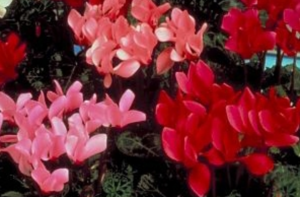
Plant Name: Cyclamen
Plants Toxic Principles: Primulancea
Signs of Reaction: Salivation,vomiting, diarrhea, following large ingestions of tubers; heart rhythm abnormalities, seizures, death
D

Plant Name: Daisy
Plants Toxic Principles: lactones
Signs of Reaction: Vomiting, diarrhea, hypersalvation, incoordination, dermatitis
F
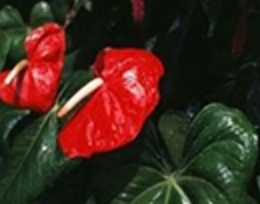
Plant Name: Flamingo Flower
Plants Toxic Principles: Insoluble calcium oxalates
Signs of Reaction: Oral irritation, pain and swelling in moth, tongue and lips, excessive drooling, vomiting, difficulty swallowing
G
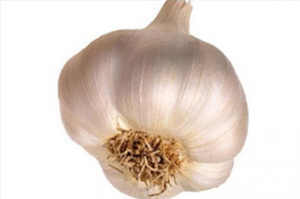
Plant Name: Garlic
Plants Toxic Principles: N-propyl disulfide
Signs of Reaction: Vomiting, breakdown of red blood cells, blood in urine, weakness, high heart rate, panting
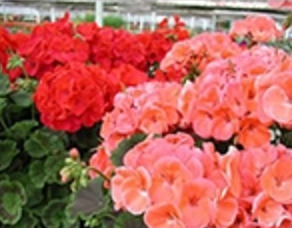
Plant Name: Geranium
Plants Toxic Principles: Geraniol, linalool
Signs of Reaction: Vomiting, anorexia, depression, dermatitis
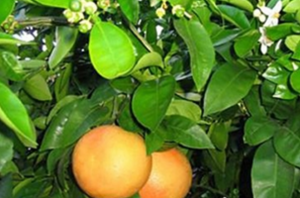
Plant Name: Grapefruit
Plants Toxic Principles: Essential oils
Signs of Reaction: Vomiting, diarrhea, depression, potential dermatitis, the fruit is edible, its the skins and plant material that can cause the problem
H
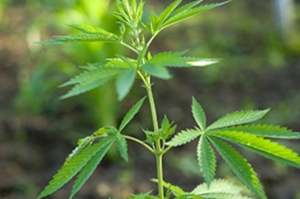
Plant Name: Hashish, Marijuana
Plants Toxic Principles: THC
Signs of Reaction: Prolonged depression, vomiting, incoordination, sleepiness or excitation, hyper-salvation, diluted pupils, low blood pressure, low body temperature, seizure, coma, death (rare)
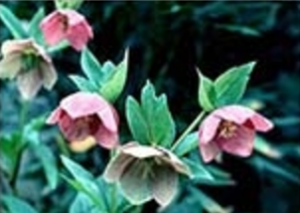
Plant Name: Helleborne
Plants Toxic Principles: Glycosides
Signs of Reaction: Drooling, abdominal pain and diarrhea, colic, depression
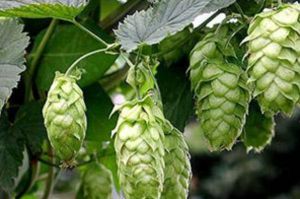
Plant Name: Hops
Plants Toxic Principles: Unknown
Signs of Reaction: Panting, high body temperature, seizures, death
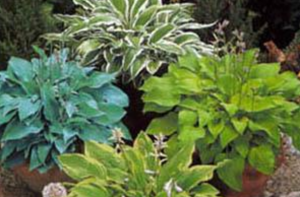
Plant Name: Hosta
Plants Toxic Principles: Saponins
Signs of Reaction: Vomiting, diarrhea, depression

Plant Name: Hydrangea
Plants Toxic Principles: Hydrangea arbonescens
Signs of Reaction: Cyanide intoxications are rare; gastrointestinal disturbance,vomiting, depression,diarrhea
J
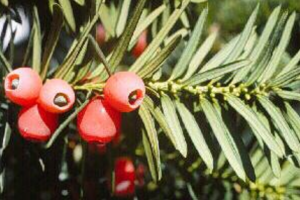
Plant Name: Japanese Yew
Plants Toxic Principles: Volatile oil
Signs of Reaction: Early signs; muscular tremors, dyspnea, seizures. Can lead to difficulty breathing, vomiting, sudden death from accurate heart attack
L
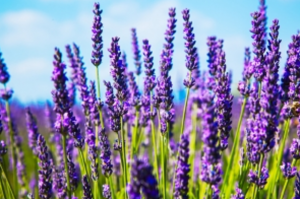
Plant Name: Lavender
Plants Toxic Principles: Linlool, linalyl acetate
Signs of Reaction: Nausea, vomiting, inappetent
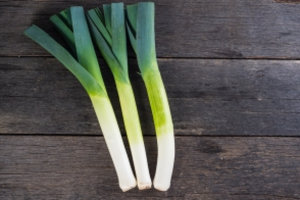
Plant Name: Leek
Plants Toxic Principles: N-propyl disulfide
Signs of Reaction: Vomiting, breakdown of red blood cells, blood in urine, weakness, high heart rate, panting
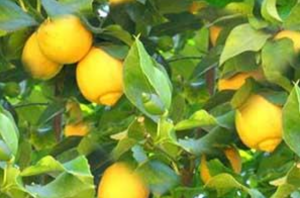
Plant Name: Lemon
Plants Toxic Principles: Essential oils
Signs of Reaction: The fruit itself is edible, the issues come from the skins and plant material. vomiting, diarrhea, depression, and potential dermatitis.
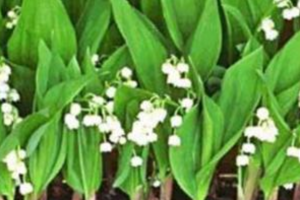
Plant Name: Lily of the valley
Plants Toxic Principles: Cardenolides
Signs of Reaction: Vomiting, irregular heart beat, low blood pressure, disorientation, coma, seizures
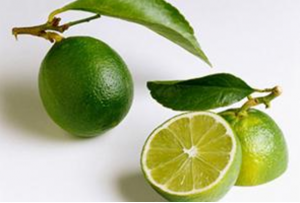
Plant Name: Lime
Plants Toxic Principles: Essentials oils
Signs of Reaction: Fruit is edible, the issues come from the skin and plant materials. vomiting, diarrhea, depression, potential dermatitis.
M
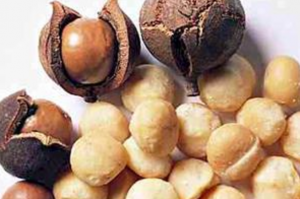
Plant Name: Macadamia Nut
Plants Toxic Principles: Unknown
Signs of Reaction: Weakness (especially in rear limbs) weakness, vomiting, tremors
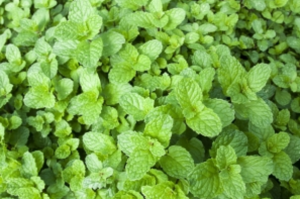
Plant Name: Mint
Plants Toxic Principles: Essential oils
Signs of Reaction: With large ingestions, vomiting and diarrhea
O
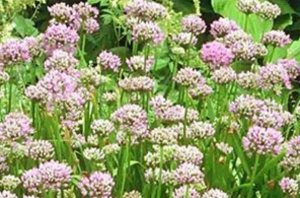
Plant Name: Onion
Plants Toxic Principles: N-propyl disulfide
Signs of Reaction: Vomiting, breakdown of red blood cells, blood in urine, weakness, high heart rate, panting
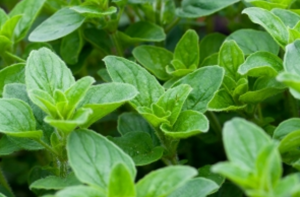
Plant Name: Oregano
Plants Toxic Principles: Gastrointestinal disulfide
Signs of Reaction: Mild vomiting, and diarrhea
P
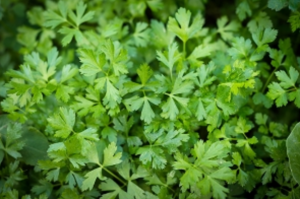
Plant Name: Parsley
Plants Toxic Principles: Furanocoumarins
Signs of Reaction: Large amounts are needed to cause this effect, sunburn dermatitis
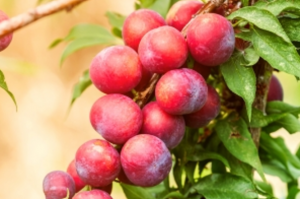
Plant Name: Plum
Plants Toxic Principles: Cyanogenic glycosides
Signs of Reaction: Stems, leaves, seeds contain cyanide, particularly toxic in process of wilting; brick red mucous membranes, diluted pupils, difficulty breathing, panting, shock.
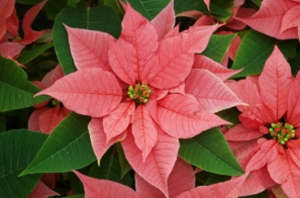
Plant Name: Poinsetta
Plants Toxic Principles: Irritant sap
Signs of Reaction: Irritating to the mouth and stomach, sometimes causing vomiting, but generally over-rated in toxicity
R
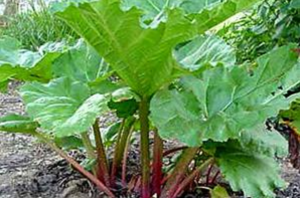
Plant Name: Rhubarb
Plants Toxic Principles: Soluble calcium oxalates
Signs of Reaction: Kidney failure, tremors,salivation
S
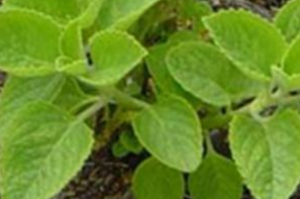
Plant Name: Spanish Thyme
Plants Toxic Principles: Essential oils
Signs of Reaction: Vomiting, diarrhea, depression, anorexia, occasionally bloody diarrhea or vomiting
T
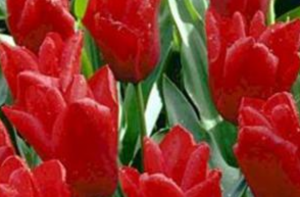
Plant Name: Tulip
Plants Toxic Principles: Tulipalin A and B
Signs of Reaction: Vomiting, depression,diarrhea, hyper – salivation, highest concentration of toxin is in the bulb
Pictures and info for your reference was taken from the ASPCA website.